
Wahl Dog Clippers Not Cutting: The Real Causes
Most dog clippers that stop cutting are not worn out - the blade is clogged with coat oil and loose undercoat, running too hot to cut, or simply too fine for a matted coat. Brush the blade clear, oil it, let it cool, and move to a coarser blade before you blame the clipper.
Grooming a dog loads a clipper far harder than a haircut does, so the same machine that trims a head cleanly can bog down and pull on a thick or tangled coat. The causes are specific to animal work, and none of them is a dead motor on the first failure. This guide goes through them in order of likelihood - coat and debris, heat, the wrong blade, a genuinely dull edge, and only then the clipper itself.
Why a dog clipper stops cutting
On a dog, the blade does most of the dying, and almost always for a reason you can reverse in a couple of minutes. A coat packs the teeth with hair, skin oil and undercoat far faster than human hair does, and that debris alone stops a blade dead while the motor still runs at full speed.
| What you see | Most likely cause | First fix |
|---|---|---|
| Blade pulls and tugs, dog flinches | Dry or clogged blade | Brush out, then oil with the clipper running |
| Cut slows or stalls on thick areas | Matted coat, blade too fine | Switch to a coarser or skip-tooth blade |
| Blade gets hot fast, then quits cutting | Friction heat on a dense coat | Let it cool or swap to a second blade |
| Cuts unevenly, leaves tracks | Blade seated crooked or hair in the socket | Unclip, clear the socket, snap it back on square |
| Motor bogs and slows under the coat | Battery or motor, not the blade | Run corded or on a full charge to confirm |
Work down that list before spending money. The oil and brush step alone clears the majority of complaints, and it costs nothing but a minute.
Heat is the real limit on a thick coat
On a matted or double coat, heat is usually what stops the cut, not a blunt edge. The blade meets constant resistance, friction builds fast, and a hot blade both stops cutting cleanly and risks burning the dog's skin - the back of a groomer's hand on the blade is the standard check, and if it is too hot to rest there it is too hot for the dog.
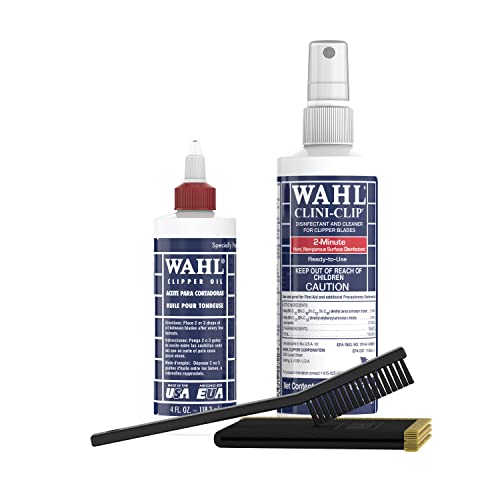
The practical fixes are all about managing that heat. A clipper coolant spray or a few drops of blade oil drops the temperature and the friction at once. Working in shorter passes and lifting the blade to let air at it helps. The reason professional animal clippers use snap-on detachable blades is exactly this: you keep a second blade of the same size to hand and swap to the cool one mid-groom rather than stopping. Ceramic-edged blades run cooler than all-steel for the same reason.
Popular options on Amazon
Prices change often - check the current price on Amazon.

Match the blade to the coat, not the clipper
A clipper that cuts fine on one dog and quits on the next often just has the wrong blade on it. A fine finishing blade asked to clear a matted coat will stall every time, where a coarser blade walks straight through the same coat.
- Thick or matted coats need a coarse or skip-tooth blade that takes bigger bites - a fine, full-tooth blade packs and jams.
- Mats sitting against the skin come off with a short blade worked underneath them, not a guard comb over the top.
- Finishing and body work is where the fine, closer-set blades belong, once the bulk is off.
Which number does which, and how the sizes map to actual cut lengths, is its own subject - see the dog clipper blade guide for the full A5 size chart and when to reach for a skip-tooth blade.
When the blade is genuinely worn
If a blade is clean, oiled, cool and the right type for the coat and still will not cut, the edge itself may be done. Animal blades take more wear than human-clipper blades because of the grit a coat carries, and a blade can be professionally sharpened a few times before the teeth are too short to cut safely.
Because the A5 blades are detachable, replacing a worn one is a snap-on swap, not a strip-down - keep the sizes you use most in pairs so a dull edge never ends a groom. Sharpening is worth it on better blades; cheap blades usually cost more to sharpen than to replace.
If it is the clipper, not the blade
When the motor itself bogs down and slows the moment the blade touches the coat - and the blade is freshly oiled and cutting air fine - the problem has moved from the blade to the machine. On a cordless animal clipper that is almost always a battery that no longer holds voltage under load; it will cut for a minute off the charger, then fade. Running the same clipper corded, or on a fresh pack, tells you in seconds.
A corded KM-style clipper that slows under load instead points at the motor or a worn drive, which is a repair-or-replace decision rather than a blade one. The general not-cutting checklist covers the dry, packed, misaligned, tension sequence that applies to any clipper once you have ruled the coat out.
If this keeps happening and you're considering a different clipper altogether, the Wahl dog clipper models guide compares corded KM machines against the cordless Bravura and Arco, including which one is less likely to leave you stuck mid-groom.
Frequently Asked Questions
Why won't my Wahl dog clippers cut through thick fur?
My dog clipper blade gets hot - is that why it stopped cutting?
The clipper runs but barely cuts - dull blade or dead battery?
Do Wahl dog clipper blades fit Andis and Oster clippers?
How often should I oil a dog clipper blade?
Ready to check the latest price?
Check the Wahl KM2 animal clipper kit on Amazon