
Wahl Clipper Blade Oil
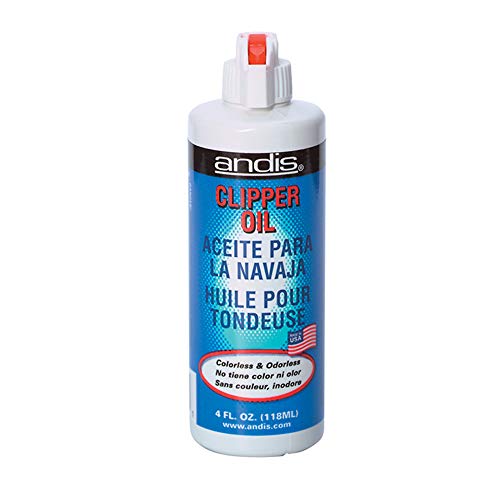
Use a light mineral oil (clipper oil or sewing machine oil) across the teeth before or after every use - three to five drops, clipper running, wipe off the excess. Never cooking oil or WD-40, which gum or strip lubrication. Skipped oiling, not hair, is what wears a blade out.
Blade oil is the cheapest part in the box and the one that decides how long everything else lasts. Clipper blades wear from two metal surfaces running against each other at high speed - hair barely blunts them by comparison. Run a blade dry and it heats, pulls, and loses its edge in a fraction of the time. Oil it regularly and the same blade keeps cutting for years.
How often, and how much
Before or after every use for anything beyond a quick touch-up. A few drops across the blade teeth with the clipper running, so the motion carries it between the cutter and the still blade, then wipe off the excess.
More is not better. Excess oil collects hair into a paste that packs the blade and does the opposite of what you wanted. Three to five drops across the teeth is the whole job.
During long sessions, oil again partway through. A blade that starts to feel warm is telling you it has run dry, and that is the moment damage happens.
What to use instead if you have run out
Clipper oil is a light mineral oil. In a pinch, other light machine oils - sewing machine oil is the usual substitute - do the same job. What matters is that the oil is light, non-gumming and free of additives.
What not to use: cooking oils of any kind, which go rancid and gum the blade solid; WD-40 and similar sprays, which are solvents rather than lubricants and strip the oil that is there; and hair or body oils, which are formulated for skin, not steel.
Gummed blades are recoverable with a proper clipper wash, but it is an unpleasant job that a bottle of the right oil avoids entirely.
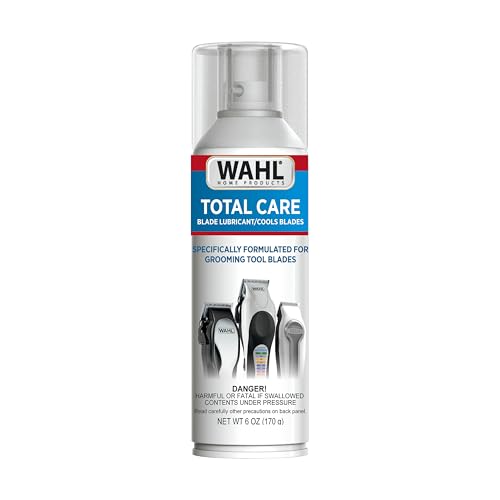
Popular options on Amazon
Prices change often - check the current price on Amazon.



Cleaning before oiling
Oil on top of packed hair achieves nothing. Brush the blade out first - most clippers ship with a small brush for exactly this - and for detachable blades, take the blade off and clear underneath, where the debris actually sits.
Blade wash and cooling sprays are a step beyond brushing: they flush the debris out and cool the blade in one go. Useful if you cut often, unnecessary if you use a clipper once a month.
Signs a blade is running dry
- Heat - the blade becomes uncomfortable to touch after a short run
- Pulling - hair catches and tugs rather than being cut cleanly
- Noise - the clipper takes on a harsher, rattling tone
- Slowing - friction drags the motor and the sound drops in pitch under load
All four resolve within seconds of oiling if the blade is otherwise fine. If they persist after oiling, the problem is alignment, tension or a genuinely worn blade - see clipper not cutting.
A blade that is genuinely worn rather than dry can often be brought back on a honing stone; see how to sharpen Wahl clipper blades.
Frequently Asked Questions
Can I use any oil on clipper blades?
How often should I oil clipper blades?
How much oil should I use?
Do new blades need oiling before first use?
Ready to check the latest price?
Check Blade Oil on Amazon