
Wahl Clipper Not Cutting Properly
A clipper that pulls hair, leaves lines or stops cutting is rarely a clipper that is finished. Four causes account for almost all of it, and they are worth checking in order because the first two cost nothing and fix most cases. Buying a replacement blade should be the last step, not the first.
1. The blade is dry
By far the most common cause. A dry blade pulls hair instead of cutting it, heats up quickly and sounds harsher than usual. Put a few drops of clipper oil across the teeth with the machine running and try again - if it was dryness, the difference is immediate and obvious.
This is worth doing even if you oiled recently. Oil migrates and evaporates, and a clipper stored for months will be dry regardless of how it was put away.
2. Hair is packed under the blade
Debris between the cutter and the still blade stops them meeting cleanly, which feels exactly like a dull blade. Brush the blade out, and on a detachable machine take the blade off and clear underneath - that is where it accumulates and where a brush from the outside never reaches.
Fine hair and dry skin build a felt-like layer that is easy to miss. If the blade looks clean and still pulls, take it off and look at the underside.
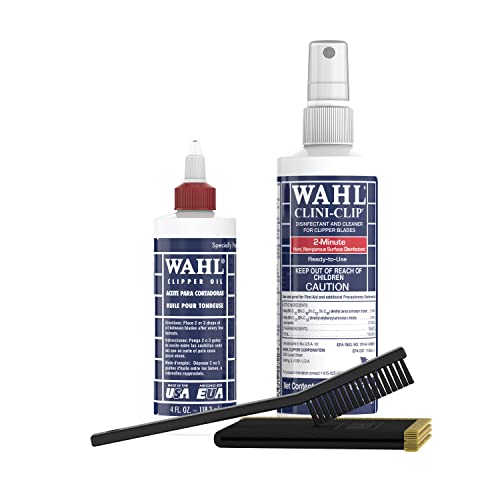
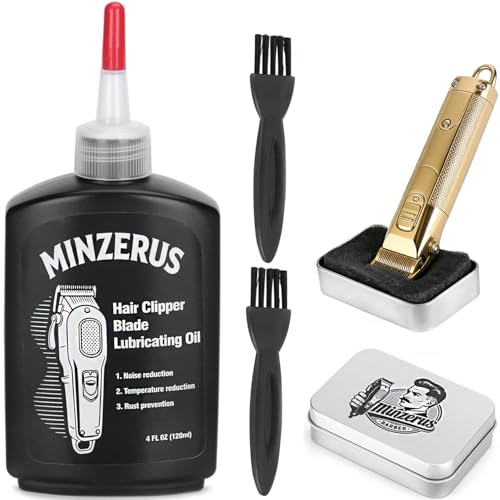
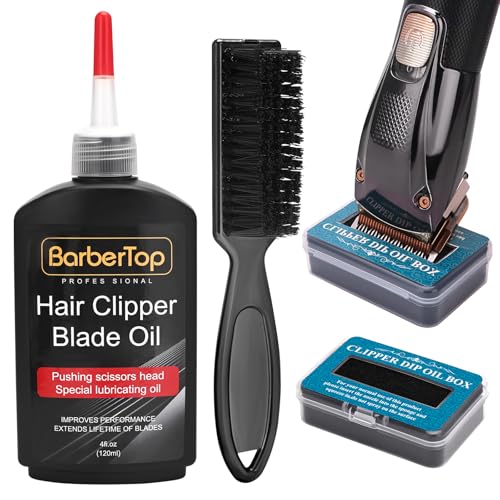
Popular options on Amazon
Prices change often - check the current price on Amazon.


3. The blade is misaligned
Alignment is the cause behind most "cuts on one side only" and "leaves lines" complaints. The cutter should sit slightly back from the tips of the still blade - not flush, not overhanging - and it should be even across the width.
If the cutter overhangs, the blade can catch skin. If it sits too far back, the clipper cuts longer than its rating and struggles through thick hair. Loosen the mounting screws, set the cutter square and slightly back, and retighten while holding the position.
Blades knocked out of alignment by being dropped are the usual story here, and the symptom appears suddenly rather than gradually - a useful clue that the blade itself is fine.
For the full step-by-step, including how this differs on snap-on and T-blades, see our Wahl blade alignment guide.
4. Tension is wrong
Blade tension controls how firmly the cutter is held against the still blade. Too loose and the blade chatters, cuts unevenly and sounds rattly. Too tight and it drags, overheats and loads the motor.
Tension is set by the mounting screws on a taper clipper, and by a spring on many detachable blades. If a blade has been apart for cleaning, tension is the thing most often left wrong on reassembly.
When it really is the blade or the motor
If the clipper still pulls after oiling, cleaning, aligning and setting tension, the blade is genuinely worn - or damaged, which is visible as chipped or bent teeth under good light. At that point, replacement or professional sharpening is the answer; see replacement blades for fit.
Own one of the popular models? The exact part is spelled out on our Magic Clip blade and Detailer blade guides.
If you would rather restore the existing blade than buy a new one, our guide on how to sharpen Wahl clipper blades covers when honing is worth it and when it is not.
A different symptom points at the motor rather than the blade: the clipper slows badly under load, or the sound drops in pitch as soon as it touches hair, even with a fresh oiled blade. On a corded machine that can be worn brushes or a tired armature; on a cordless one it is far more often a battery no longer holding voltage under load.
Symptom-to-cause quick reference
If you would rather match the exact symptom than work through every cause, this table maps what the clipper is doing to the most likely reason and the first thing to try. The order still holds: start at the top, because a dry blade explains more failures than everything below it combined.
| Symptom | Most likely cause | First thing to try |
|---|---|---|
| Pulls or snags hair, blade runs hot | Dry blade | Oil the teeth with the clipper running |
| Feels dull but the blade looks clean | Hair packed under the cutter | Take the blade off, clear the underside |
| Cuts on one side only, leaves lines | Blade misaligned | Reset the cutter square and slightly back |
| Rattles, cuts unevenly | Tension too loose | Firm up the mounting screws or spring |
| Drags, overheats, labours | Tension too tight | Back the tension off a little |
| Slows or drops pitch under load | Motor or battery, not the blade | Retest with a fresh, oiled blade first |
| Will not cut at all | Cutter jammed or a flat battery | Clear the blade, then check the charge |
Only when the top four are ruled out is the blade itself the suspect - see replacement blades for the right fit before buying.
The same checks on other clippers and trimmers
None of this is specific to Wahl. A Conair or Andis clipper, an Oster, or a beard trimmer that stops cutting all use the same mechanism - a still blade with a cutter sliding across it - so the dry, packed, misaligned, tension sequence works the same way on any of them. The order of likelihood does not change either: reach for the oil before you reach for a screwdriver.
The one difference worth knowing is scale. Beard-trimmer and detail blades are small and fine-toothed, so they pack with clipped hair and skin faster than a full-size clipper head, and they run dry sooner because there is less metal to hold the oil. A trimmer that suddenly pulls after a clean shave is almost always dry or clogged, not worn.
Animal clippers are the one real exception, and they fail differently enough to need their own checklist: a matted coat and blade heat, not a worn edge, stop most dog clippers that quit cutting, and the snap-on A5 dog-clipper blade they use is a different system from any Wahl human clipper head.
Choosing a dog clipper rather than fixing one? The Wahl dog clipper models guide compares the corded KM range against Bravura and Arco, and the grooming kit guide covers what a bundled starter kit actually includes.
Frequently Asked Questions
Why does my clipper pull hair instead of cutting?
Why does my clipper cut on one side only?
My clipper slows down when it touches hair - is the blade dull?
Should I replace the blade or the whole clipper?
My brand-new Wahl clippers aren't cutting - are they faulty?
Why won't my clippers cut at all, even on long hair?
My Wahl balding clipper isn't cutting close anymore - is that different?
My Wahl Senior isn't cutting as clean as it used to - which blade does it take?
Ready to check the latest price?
Check Blades & Oil on Amazon